Annual report showcases how strategic tax credit investments are strengthening communities, supporting essential U.S. infrastructure, and delivering measurable outcomes nationwide
ATLANTA (GLOBE NEWSWIRE) – Monarch Private Capital (Monarch), a nationally recognized impact investment firm that develops, finances, and manages a diversified portfolio of projects generating both federal and state tax credits, is pleased to announce the release of its 2025 Impact Report, Touchpoints, the firm’s annual publication showcasing how thoughtfully deployed capital creates meaningful economic, community, and infrastructure impact across the United States.
Through the theme of Touchpoints, the report explores the many connections where investment creates measurable impact, illustrating how Monarch’s partnerships with investors, developers, and community stakeholders transform tax liability into projects that strengthen infrastructure, expand opportunity, create jobs, preserve historic landmarks, and improve quality of life.
At Monarch, impact investing means deploying capital into essential U.S. projects that deliver competitive returns while strengthening communities and supporting long-term growth. Through tax credit investments in energy, affordable housing, historic rehabilitation, and domestic film production, Monarch supports reliable power, housing affordability, community revitalization, and job creation. These real-asset investments expand economic opportunity, preserve local assets, and promote energy reliability and price stability while providing predictable, risk-adjusted returns for investors.
The Touchpoints report demonstrates how these investments create measurable outcomes while generating long-term value for investors, communities, and project partners alike.
Since 2005, Monarch has invested in more than 1,000 projects across 42 states and Washington, D.C., generating approximately $9.5 billion in tax credits and deploying $7.6 billion in project capital.
Those investments have supported more than $23 billion in development costs, created and supported more than 400,000 jobs, developed more than 50,000 affordable housing units, and helped deliver nearly 8 GW of domestic energy capacity.
“Touchpoints reflects the many ways investment can create meaningful change,” said Melanie Frontczak, Managing Director of Sustainability & Tax Credit Investments at Monarch Private Capital. “Every project, partnership, and community we support represents a touchpoint where capital creates opportunity. This report highlights how purpose-driven investments can strengthen communities, expand economic opportunity, support critical infrastructure, and create lasting value for both investors and the people these projects serve.”
The 2025 Impact Report features several notable investments and initiatives, including:
• Clearway Pine Forest (Texas) – A landmark transfer credit transaction combining a 300 MW solar facility and 200 MW battery storage system expected to provide reliable, low-cost energy to power more than 90,000 homes.
• Louis Sullivan Building (Ohio) – The restoration of one of architect Louis Sullivan’s iconic “jewel box” banks, preserving an important cultural landmark while creating a vibrant community gathering space.
• MLK Library Apartments (Wisconsin) – A community-centered affordable housing development combining 93 residential units with a new public library to expand access to housing, education, and neighborhood resources.
• Monarch Mentor/Mentee Program – An employee development initiative designed to strengthen leadership, collaboration, and professional growth across the organization.
The report also examines the evolving tax credit and energy investment landscape, emphasizing the continued role of private capital in supporting energy infrastructure, affordable housing development, historic preservation, and economic growth nationwide.
View the full Touchpoints: 2025 Impact Report flipbook.
About Monarch Private Capital
Monarch Private Capital manages impact investment funds that strengthen communities by creating energy, affordable housing, and jobs. Its funds provide predictable returns through federal and state tax credits in affordable housing, historic rehabilitation, energy, and film. Headquartered in Atlanta, Monarch maintains offices and professionals across the United States, partnering with institutional and individual investors, developers, and lenders to advance sustainable economic growth.
ATLANTA (GLOBE NEWSWIRE) — Monarch Private Capital, a national leader in tax equity impact investing, enters 2026 positioned for its next phase of disciplined growth—scaling proven platforms across energy, affordable housing, historic rehabilitation, and film while continuing to deliver predictable outcomes for investors and measurable benefits for communities nationwide.
Impact at Scale
Since 2005, Monarch has managed tax equity investments generating more than $9 billion in tax credits and supporting more than $23 billion in project development costs. These investments have enabled over 50,000 affordable housing units, more than 7 gigawatts of energy capacity, and $42 billion in economic impact across 42 states and Washington, D.C.
In 2025 alone, Monarch closed investments that will generate approximately $2 billion in tax credits. Across this work, Monarch supported 3,775 affordable housing units, over 1.9 gigawatts of energy capacity, 21 historic rehabilitation projects, and 63 film projects—demonstrating consistent execution at scale.
Positioned for 2026
Building on continued momentum through 2025, Monarch’s focus in 2026 is disciplined execution—expanding access to predictable tax equity investments while maintaining strong risk management across market cycles. As electricity demand grows and housing affordability challenges persist, Monarch’s diversified platform remains well-positioned to support long-term infrastructure and community needs.
Monarch’s leadership also remains actively engaged in national policy discussions with lawmakers and industry stakeholders to help ensure recent legislative developments support market stability and continuity for tax credit programs.
“We’ve built a platform that performs across cycles, sectors, and regulatory environments,” said George L. Strobel II, Partner, Co-Founder, and Co-CEO. “Our focus in 2026 is scaling responsibly—deploying and managing tax equity where it delivers durable returns and lasting impact.”
Strategic Focus Areas
In 2026, Monarch will continue to:
- Expand its energy portfolio across solar, battery storage, fuel cell, equipment manufacturing, renewable fuel production and development, and other qualifying technologies
- Deploy capital efficiently to continue to enable the building of new and preservation of existing affordable housing
- Pursue continued growth in historic rehabilitation that preserves legacy assets and supports community revitalization
- Continue disciplined expansion in domestic film production tax credit placement and financing across key state incentive markets
- Refine its tax equity and structured capital platforms to enhance predictability and efficiency
About Monarch Private Capital
Monarch Private Capital manages impact investment funds that positively impact communities by creating energy, jobs, and homes. The funds provide predictable returns through the generation of federal and state tax credits. The company offers innovative tax credit equity investments for affordable housing, historic rehabilitations, renewable energy, film, and other qualified projects. Monarch Private Capital has long-term relationships with institutional and individual investors, developers, and lenders participating in these federal and state programs. Headquartered in Atlanta, Monarch has offices and professionals located throughout the United States.
Film commissioners and other industry leaders convened Jan. 24 in Park City to discuss strengthening U.S. competitiveness, protecting domestic jobs, and responding to aggressive international production incentives
ATLANTA, Feb. 9, 2026 (GLOBE NEWSWIRE) — Monarch Private Capital and FilmUSA today recapped Lights. Camera. America!, a panel discussion held Jan. 24, 2026, during the Sundance Film Festival in Park City, Utah, focused on the future of U.S. film and television production and the growing impact of international production incentives on domestic jobs and investment.
Hosted at Top of Main Brew Pub in Park City, the event brought together more than 400 filmmakers, production executives, film commissioners, policymakers, and industry stakeholders. The discussion centered on how federal, state, and local leaders—working in collaboration with the private sector—can strengthen domestic production, protect American jobs, and ensure that the economic benefits of filmmaking remain within U.S. communities.
The panel at Sundance marked the third installment of the Lights. Camera. America! Series, an ongoing conversation focused on strengthening U.S. film and television production. Monarch Private Capital and FilmUSA plan to continue the dialogue at future industry gatherings, with details to be announced. Industry stakeholders are encouraged to follow FilmUSA and Monarch Private Capital to stay informed about upcoming panels.
“Film and television production is an economic engine—supporting jobs, small businesses, and local tax bases in communities across the country,” said Marco Cordova, Director of Film & Tax Credit Investments at Monarch Private Capital. “At Sundance, we heard a clear message from creators and production leaders alike: the U.S. needs competitive, predictable incentive frameworks to keep production—and its benefits—here at home. We’re proud to partner with FilmUSA to help elevate solutions that strengthen domestic production.”
Moderated by Marco Cordova, Director of Film & Tax Credit Investments at Monarch Private Capital, the panel featured industry leaders representing production, incentives, and policy perspectives, including Katie Patton Pryor, Co-Founder of FilmUSA; Brendan Gallavan, Production Tax Planning & Incentives at Netflix; Ryan Broussard, Vice President of Production Incentives at Wrapbook; Fred Siegel of Fred Siegel CPA; and Houston King, producer of Chasing Summer, which premiered at Sundance.
Throughout the conversation, panelists emphasized the increasing competitiveness gap between the United States and international markets, where long-term, predictable, and aggressive incentive programs continue to attract productions—and the associated jobs and economic activity—away from U.S. workers and communities.
“FilmUSA exists to keep the United States globally competitive in film and television, strengthening domestic production, jobs, and investment in communities nationwide,” said Katie Patton Pryor, Co-Founder of FilmUSA. “The Lights. Camera. America! conversation underscored how quickly the global landscape is changing and why stronger coordination across film offices and the private sector, along with a clear national screen strategy, is essential. We’re grateful to Monarch, Wrapbook, and our partners for convening leaders at Sundance to advance a practical, collaborative path forward.”
Following the panel, guests gathered for the Meet the Film Commissioners After Party, which provided an opportunity for filmmakers, commissioners, and industry stakeholders from across the country to continue conversations and build new connections.
“I very much enjoyed Monarch’s panel on film incentives in the U.S. at this year’s Sundance Film Festival,” said Andrea Sporcic Klund, Director of the Missouri Film Office. “Hearing directly from those actively advising creatives on U.S. incentives underscored that while many productions are choosing to film internationally, there are still a significant number leveraging state and local incentives here at home. Conversations like this are critical as we look ahead to the possibility of a national incentive that could elevate existing programs and strengthen the U.S.’s ability to compete globally.”
Wrapbook served as the supporting partner for the event, with Georgia Entertainment as the media sponsor.
Watch the full recorded panel from the Lights. Camera. America! Event here:
Lights. Camera. America! Sundance 2026 Panel Recording
If you’d like to learn more or are interested in hosting a panel in your area, please reach out to Marco Cordova at mcordova@monarchprivatecapital.com.
Monarch Private Capital manages impact investment funds that positively impact communities by creating clean power, jobs, and homes. The funds provide predictable returns through the generation of federal and state tax credits. The company offers innovative tax credit equity investments for affordable housing, historic rehabilitations, renewable energy, film, and other qualified projects. Monarch Private Capital has long-term relationships with institutional and individual investors, developers, and lenders participating in these federal and state programs. Headquartered in Atlanta, Monarch has offices and professionals located throughout the United States.
FilmUSA is the national association of U.S. film commissions, representing local, regional, state, and tribal jurisdictions across the country. FilmUSA works to enhance the global competitiveness of the U.S. film and TV industry, expand industry access, support global film partnerships, and promote domestic production.
The organization actively advocates for a Federal Film Office and a national screen strategy that includes: competitive policy frameworks that strengthen U.S. production, jobs, and IP; robust economic data and research to guide policy and investment; and inclusive, nationwide participation in the global screen economy.
For over a century, Hollywood has been synonymous with cinematic excellence, cultural influence, and economic power. But in recent years, the American film industry has faced a series of compounding challenges that have shaken its foundations. From the rise of global streaming platforms to labor unrest and natural disasters, the landscape of film production in the United States is undergoing a seismic shift. Now, with the Trump administration’s proposed tariffs on foreign-produced content and the ongoing debate over federal tax incentives, the stakes have never been higher.
The Erosion of Traditional Revenue Streams
The decline of Hollywood’s traditional revenue model began long before the pandemic. Streaming platforms such as Netflix, Apple TV+, and Disney+ have fundamentally altered consumer behavior, drawing audiences away from theaters and cable networks. While these platforms have created new opportunities for content creators, they’ve also disrupted the advertising ecosystem that once sustained studios and networks.
The COVID-19 pandemic accelerated this trend, shuttering theaters and halting productions. In its wake, Hollywood faced a wave of union strikes, including high-profile actions by the Writers Guild of America (WGA) and the Screen Actors Guild‐American Federation of Television and Radio Artists (SAG-AFTRA). These labor disputes, driven by demands for fair compensation in the streaming era, led to increased production costs and prolonged delays.
Compounding these issues were the devastating wildfires that swept through Los Angeles and surrounding areas, damaging infrastructure and further complicating production logistics. The cumulative effect has been a contraction in domestic film production and a growing reliance on international locations offering more favorable economic conditions.
Rising Costs and the Global Incentive Race
Producing films in the United States has become increasingly expensive. Elevated labor costs, stringent union regulations, and the strength of the U.S. dollar have made domestic production less attractive compared to international alternatives. Countries like Canada, the United Kingdom, and Australia have capitalized on this by offering generous tax credits, grants, and rebates to lure American filmmakers abroad.
These incentives are not trivial. In Canada, for example, the federal and provincial governments offer combined tax credits that can exceed 30% of eligible production costs. This is in addition to any provincial tax credits. The U.K. provides a 25% cash rebate on qualifying expenditures, while Australia’s Location Offset offers a 30% rebate, with additional bonuses for high-budget productions. These programs have proven effective in attracting major Hollywood blockbusters, television series, and streaming originals.
In contrast, the United States lacks a unified federal incentive program. While many states offer their own tax credits—such as Georgia’s 20–30% transferable film tax credit and New York’s 30% refundable tax credit—these are often insufficient to offset the broader cost disadvantages of filming domestically. The absence of a national strategy has left the U.S. at a competitive disadvantage in the global production marketplace.
Tariffs on Foreign-Made Films: A New Frontier in Trade Policy
In May 2025, President Donald Trump announced a controversial proposal to impose a 100% tariff on all films produced outside the United States. Framed as a measure to protect American jobs and revitalize a “dying” Hollywood, the tariff targets creative content rather than physical goods—a significant departure from traditional trade policy.
Unlike tariffs on manufactured products such as microchips or textiles, applying duties to intangible goods like films presents complex legal and logistical challenges. Content is often produced across multiple countries, with filming, editing, and post-production occurring in different jurisdictions. Determining the “origin” of a film for tariff purposes would require new compliance frameworks, extensive record-keeping, and potentially intrusive audits.
Commerce Secretary Howard Lutnick has indicated that regulatory action is imminent, though details remain sparse. The proposed tariff would apply globally, affecting any film produced outside the U.S., regardless of its funding source or distribution platform. This raises critical questions: Will streaming platforms like Netflix and Disney+ be required to pay tariffs on foreign-produced content? Will user-generated platforms such as YouTube and TikTok face new compliance burdens? What about commercials, live sports broadcasts, or video games developed overseas?
The implications extend beyond the entertainment industry. If implemented, the tariff could set a precedent for taxing other forms of digital content and services, potentially affecting advertising, marketing, and software development. It also risks triggering retaliatory measures from trading partners, further complicating international relations.
Compliance Challenges for Media Companies
For traditional media companies, the proposed tariff introduces a host of compliance challenges. Studios and distributors would need to meticulously track the geographic origin of every aspect of production—from principal photography to sound mixing and visual effects. While some of this data is already collected for tax credit purposes, the level of granularity required for tariff compliance would be unprecedented.
Streaming platforms, which often operate globally and source content from diverse regions, would face even greater hurdles. Services like Viki and iQiyi, which specialize in international content, could see their business models disrupted. Smaller platforms may lack the resources to implement sophisticated tracking systems, potentially forcing them to curtail foreign acquisitions or pass costs onto consumers.
Moreover, the tariff’s impact on subscription pricing remains unclear. If content providers are forced to pay duties on foreign-produced material, will those costs be absorbed or passed on to end users? Will consumers see higher prices for streaming services, or will platforms reduce their international offerings to avoid penalties?
The Case for a Federal Tax Incentive Program
While the tariff proposal has dominated headlines, there is a growing movement advocating for a federal tax credit to incentivize domestic film production. Proponents argue that such a program would create jobs, stimulate local economies, and preserve America’s cultural influence in the global media landscape.
However, political and fiscal realities pose significant obstacles. The federal government is under pressure to reduce the national deficit, and the GOP-controlled Senate Finance Committee has shown little appetite for new spending initiatives. Crafting legislation that balances economic stimulus with fiscal responsibility will require bipartisan cooperation and careful policy design.
During the Cannes Film Festival in May 2025, I had the opportunity to moderate a panel discussion in partnership with Film USA, focusing on the need for a U.S. Film Commission and a national incentive strategy. The discussion highlighted the fact that the United States is the only major Western country without a federal tax credit, grant, or rebate for film production. While state-level programs exist, they are often fragmented, inconsistent, and insufficient to compete with international offerings.
Establishing a federal incentive program would not only level the playing field but also signal a commitment to preserving the domestic film industry. It could be structured to reward productions that meet specific criteria—such as hiring local talent, using union labor, or filming in economically disadvantaged areas—thereby aligning with broader policy goals.
Looking Ahead: Policy, Politics, and Possibility
The future of U.S. film production hinges on a delicate interplay of economic, political, and cultural factors. The proposed tariff on foreign-made films represents a bold, if controversial, attempt to reshape the industry. Yet its practical implementation remains uncertain, and its potential consequences—both intended and unintended—are vast.
Conversely, the push for a federal tax incentive program offers a more constructive path forward, though it faces significant legislative hurdles. In the absence of federal support, states will continue to compete for productions, but the lack of coordination may limit their effectiveness.
Ultimately, revitalizing Hollywood will require more than protectionist policies or piecemeal incentives. It will demand a comprehensive strategy that embraces innovation, supports creative talent, and fosters collaboration across public and private sectors. Whether that vision materializes under the current administration or a future one remains to be seen.
As we navigate this complex terrain, it’s essential for stakeholders—filmmakers, policymakers, tax professionals, and audiences—to engage in thoughtful dialogue. The decisions made today will shape the stories we tell tomorrow, and the cultural legacy we leave behind.
Endnotes
1. Georgia Code Annotated § 48-7-40.26, Georgia Entertainment Industry Investment Act.
2. New York Tax Law § 24, Empire State Film Production Credit.
3. Income Tax Act (Canada), Section 125.4, Canadian Film or Video Production Tax Credit.
4. Corporation Tax Act 2009, Part 15, Sections 1175–1217, Film Tax Relief (FTR), as amended by the Audio-Visual Expenditure Credit (AVEC) reforms.
5. Income Tax Assessment Act 1997 (Cth), Division 376, Subdivision 376-C, Location Offset (as amended in 2023 to increase the offset to 30%).
6. Coleman, Morgan. “What Trump’s Proposed 100% Tariff on Foreign-Made Films Might Mean for Hollywood and Tax Compliance.” Avalara Blog, July 10, 2025. Link
7. Raymond, Art. “Why Is Trump Putting Tariffs on Foreign-Made Films?” Deseret News, May 5, 2025. Link
8. Goldbart, Max. “Trump Tariffs: How International Film, TV Industry Will Be Hit.” Deadline, April 3, 2025. Link
We are pleased to present the full recording of our “Lights. Camera. America!” panel discussion, an event that took place during the 2025 Sundance Film Festival. This timely conversation addresses the critical role of film incentives in supporting domestic production, preserving American jobs, and ensuring the United States’ continued leadership in the global film industry.
Moderated by Marco Cordova, the panel features insights from leading industry experts: Allison Whitmer (Montana Film Commissioner), Dave DeVore (Netflix), Steven Demmler (Talon Entertainment Finance), Chiquita Banks (Bankable Consulting, Inc.), and Fred Siegel (Fred Siegel CPA). The discussion highlights the importance of federal, state, and local incentives, and explores the potential impact of establishing a Federal Film Office.
Thank you to our amazing partners at Film USA for co-hosting this event and to our Media Partner, Georgia Entertainment. For inquiries regarding hosting a similar event, please contact Marco Cordova.
Georgia Entertainment recently released the names of the 200 Most Influential of Georgia’s Creative Industries. The individuals are highlighted in the bi-annual printed publication – Georgia Entertainment: The Creative Economy Journal. See the digital version. Our 200 Spotlight series showcases many of those that were included.
By Carol Badaracco Padgett, Senior Writer
Robin Delmer champions the role of the arts in economic development. And when you ask him why, he gives a definite response: “Throughout my life I’ve been passionate about fostering creativity and innovation. Whether through my interest in music, involvement in film, supporting the High Museum, or backing the Atlanta Ballet, I’ve consistently worked to promote the growth and sustainability of creative industries.”
A visionary leader armed with a Bachelor of Science in Economics from Vanderbilt University in Nashville, Tennessee, Delmer identifies tax equity and impact-related investment opportunities, introducing influential investors to projects across key sectors. Among them, renewable energy, affordable housing, and historic preservation – with film and entertainment standing out.
Through his leadership at Atlanta-based Monarch Private Capital, Delmer sees and then facilitates opportunities for investment and social impact to merge and flourish. And he works diligently to make the most of the union, shaping a more vibrant, inclusive, and prosperous Creative Economy in the process.
Read the full feature article here.
As we approach the final tax return filing deadline for individual and corporate taxpayers, there is increased activity in the market for Georgia film tax credits as well as Georgia low income housing tax credits. This article will briefly overview both programs and help provide clarity for taxpayers who are looking to utilize tax credits to reduce their Georgia state liability.
What is the same?
Both the GA film credit and the GA low income housing credit are generated based on a percentage of qualified expenditure from the respective projects. When the entities that generate these credits cannot also utilize them, they can be transferred tothird party taxpayers at a discounted price to their face value.
Both credits are treated as property and therefore have similar tax treatment. In both cases, a capital gain is recognized on the day a tax return is filed claiming the credits. The amount of the gain is calculated as the face value of the credits less the investor’s basis. Taxpayers can maximize their return on investment by holding credits for one-year prior to filing their Georgia tax returns, consequently recognizing the capital gain at long-term rates instead of short-term rates.
Both of these credits are able to be carried forward from the year they are generated. Film credits carry forward five years, and low income housing credits carry forward for three years.
What is the risk? Recapture risk is similar between both credits. There is an increased level of assurance with the low income housing credits because the risk is diversified. Monarch creates a fund made up of several low income housing projects, and investors receive a portion of credits from each of the projects to make up their total allocation of credits.
What is different?
The main difference between the two credits is how the transfer of the credit is facilitated.
Film credits are referred to as transferrable credits. This means that credits can be transferred directly from a production studio to a taxpayer. The taxpayer receives a Form IT-TRANS as evidence of the transfer, then the IT-TRANS is used by the taxpayer to claim the film credits on their Georgia return. This is typically the preferred method of transfer because of how easy the process is. It is a one-time transaction, and the transfer is completed within five business days of the taxpayer funding their investment.
Low income housing credits are referred to as allocable credits. This means that taxpayers subscribe to a partnership fund created by Monarch and are allocated low income housing credits through a K-1. Taxpayers are deemed to have acquired an intangible asset, a tax credit, and to have made a partnership investment. A small portion of the taxpayer’s investment is allocated to their partnership capital account (1%), and the majority of the investment is allocated to their basis in the credits (99%). Investors will receive an allocation of credits through a K-1 and will then receive blank K-1’s for the next four years. The partnership dissolves after five years, and the investor gets to recognize a small capital loss equal to the amount of their investment allocated to their capital account.
Timing
Low income housing credits are less flexible in terms of the timing of purchase. The credits need to be bought during the tax year in which they will be applied against. So, if you are purchasing low income housing credits to be used on your 2020 tax return, they need to be purchased during 2020. This is because these credits are allocable, and investors need to be subscribed to a fund during the year in which they wish to receive credits.
Because film credits are transferrable, they are more flexible when it comes to the timing of purchase. You can buy 2019 film credits during 2020 to apply against your 2019 tax liability. Similarly, as long as you are still within the statute of limitations, you can buy film credits from a prior year, amend your prior year return, and receive an increased refund.
Another difference between the two credits is the price.
Low income housing credits are typically priced lower than film credits. The after-tax return for low income housing credits is around 14%, compared to an approximate 10% after-tax return for film credits.
Low income housing credits can also be bought in multiple year increments. When bought in multiple year increments, the return to investors greatly increases. This is because of a further discounted price as well as more favorable tax treatment.
For more information, please contact Ryan Degnan by emailing rdegnan@monarchprivate.com.
Monarch Private Capital, a nationally recognized tax-advantaged investment firm that develops, finances, and manages a diversified portfolio of projects that generate both federal and state tax credits, is pleased to announce the launch of a new website for its film & entertainment division, Monarch Film Credits, located at www.monarchfilmcredits.com.
Monarch Film Credits is one of the nation’s largest tax credit placement specialists and the market leader for placing Georgia film tax credits. Working primarily with major studios and larger independent production companies, Monarch Film Credits assists with all transferable state film tax credits, including California, Connecticut, Georgia, Illinois, Massachusetts, Montana, Nevada, New Jersey, Pennsylvania, and Rhode Island.
The division has brokered more than $800 million in film tax credits since Monarch began working with these types of programs in 2006. Because of the rapid growth of Monarch’s film division and the industry’s unique and ever-changing tax credit laws and practices, Monarch Film Credits was given its own website to address the full scope of the film tax credit programs in which the company operates.
“We created a new website for our growing film tax credit division because we wanted to share our knowledge and expertise for those taxpayers interested in buying transferable state film tax credits,” said Marco Cordova, Director of Film Finance and West Coast Tax Credit Investments for Monarch Private Capital. “We also wanted to provide a better platform to promote our production tax credit offerings and help our major studio and independent production clients to sell their credits as soon as possible.”
The new easy-to-navigate and user-friendly website allows for a streamlined, best in class customer service experience for everyone. Whether a studio or production company looking to place film tax credits, or a Fortune 500 company, private company, or a high-net-worth taxpayer hoping to use film tax credits to offset their state tax liabilities at a discounted price, the new website offers valuable information for buying and selling transferable state film tax credits.
Monarch Film Credits’ new website features an interactive map that supplies users with a summary of various state tax credit programs. Taxpayers interested in buying tax credits at a discount can easily assess a state’s film tax credit benefits. Also included on the site are industry-related perspectives and insights from our well-versed tax credit experts, keeping up-to-date analyses of the latest developments in film tax credit programs across the United States.
Lastly, the website provides taxpayers a one-stop shop user experience if they are interested in both transferable film tax credits and other state tax credits that Monarch Private Capital offers. The website also provides information related to Monarch’s other state tax credit offerings, including renewable energy, affordable housing, and historic preservation tax credits. The clean design and interactive tools make it quick and easy for taxpayers to find an answer to most film tax credit questions when looking to purchase tax credits, and the skilled and experienced team at Monarch Film Credits is just a simple click away to assist with the transaction process for every client.
About Monarch Private Capital
Monarch Private Capital manages ESG funds that positively impact communities by creating clean power, jobs, and homes. The funds provide predictable returns through the generation of federal and state tax credits. The Company offers innovative tax credit equity investments for affordable housing, historic rehabilitations, renewable energy, film, and other qualified projects. Monarch Private Capital has long-term relationships with institutional and individual investors, developers, and lenders that participate in these types of federal and state programs. Headquartered in Atlanta, Monarch has offices and tax credit professionals located throughout the U.S.
ATLANTA, June 17, 2019 — Monarch Private Capital (MPC), a nationally recognized tax-advantaged investment firm that develops, finances, and manages a diversified portfolio of projects that generate federal and state tax credits, today announced that due to steady growth, the Company is implementing plans to further streamline its film finance division through a series of actions. These actions will allow MPC to continue to expand their film credit offerings while enhancing the taxpayer experience.
MPC’s film division has seen significant growth over the past 10 years as a substantial broker of tax credits to the film industry. The Company has doubled the volume of tax credits brokered in the past six years and is currently on pace to grow forty percent year-over-year. In the past 12 months alone, MPC has brokered credits that helped to produce over 70 film and television projects with most major studios, and small and large independent studios. The growth is a result of increased state tax credit programs and more interested buyers.
Anticipating cumulative growth ahead, MPC recently launched an initiative focused on enhancing the taxpayer experience, which includes integrating the film division’s back office with the robust operations of its other tax divisions. Assimilating these divisions not only enables a more streamlined process, but also provides access to additional, knowledgeable resources which will provide taxpayers with faster turnaround times.
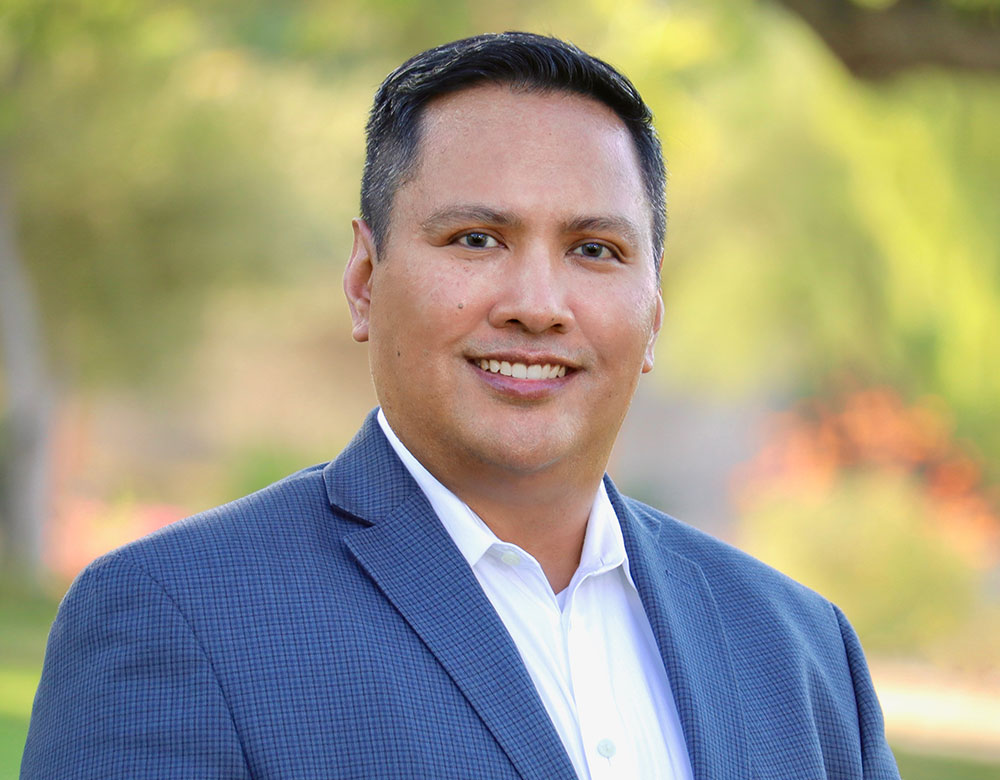
In addition, MPC named Marco Cordova to lead the film division during this expansion process. Cordova is a recognized expert in the field of film tax credits and movie production incentives with over 20 years of industry experience. As Director of Film Finance and West Coast Tax Credit Investments, he is responsible for overall planning, investment strategy and acquisition of film, television and digital entertainment tax credits. In addition, he is responsible for expanding MPC’s federal and state tax credit placement and investment opportunities to Fortune 1000 companies and large corporate entities with a focus on entertainment, historic, renewable energy, and low income housing projects. Cordova’s extensive tax expertise and deep knowledge of various tax credit programs, coupled with being based in Los Angeles, will be instrumental in his success in this expanded role.
“We’ve enjoyed tremendous growth in our film division which is largely a result of the awareness and acceptance of state tax incentives for film and television productions and we see even more opportunities ahead,” said George L. Strobel II, Co-CEO & Managing Director of Tax Credit Investments. “In order to enhance the taxpayer experience, we are streamlining our internal processes while we also expand our credit offerings. We’re excited to move Marco into leading the division, not only because he has played an important part in our success but because he has the breadth and depth of experience to help us develop the products our investors are looking for.”
Prior to MPC, Cordova was with Entertainment Partners (EP) where he worked with Fortune 500 companies, major studios, and Indie production companies to place hundreds of millions in film and non-film tax credits. Cordova was also instrumental in expanding EP’s service offerings in over a dozen states and edited several international and domestic production incentives publications. Prior to EP, Cordova worked at Sony Pictures Entertainment, overseeing multistate taxes and film incentives. Cordova started his career at Deloitte Tax and Arthur Andersen, specializing in domestic taxes for the entertainment industry.
For more information on MPC’s film products, please contact Marco Cordova by emailing mcordova@monarchprivate.com or calling (213) 863-0718.
About Monarch Private Capital
Monarch Private Capital positively impacts communities by investing in tax credit supported industries. The company is a nationally recognized tax equity investor providing innovative capital solutions for affordable housing, historic rehabilitations, renewable energy, film, and other qualified projects. Monarch has long term relationships with institutional and individual investors, developers, and lenders that participate in these types of federal and state programs. Headquartered in Atlanta, Monarch has offices and tax credit professionals located throughout the U.S.